


Luck or skill which truly dominates the world of gambling
Understanding the Nature of Gambling
Gambling has long been a favored pastime across cultures and eras, intertwining elements of chance and strategy. The essence of gambling lies in its unpredictable nature, where outcomes can swing wildly based on luck. This unpredictability is part of what draws individuals to casinos and betting shops, compelling them to place their faith in fortune. From ancient dice games to modern slot machines, the thrill of potential winnings captivates players, creating a dynamic interplay between chance and skill. If you’re looking for a comprehensive gaming experience, you might want to check the 51 club app, which offers exciting options tailored to enthusiasts.
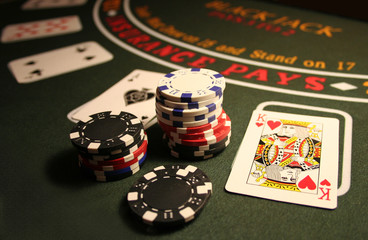
As gambling evolved, so too did the strategies players employed. Games like poker and blackjack introduced significant skill components, where players’ decisions could significantly influence outcomes. This evolution led to a perception that skillful players could outperform the luck-driven casual gamblers. Understanding probabilities, reading opponents, and calculating odds become critical skills, painting a richer tapestry of gambling than merely relying on luck.
However, the nature of gambling remains inherently unpredictable. For instance, even the most skilled poker player cannot control the cards dealt. This duality—where luck and skill coexist—invites further exploration. Analyzing different games can reveal how various balances between luck and skill come into play, offering insights into the broader gambling landscape. Thus, the debate over which aspect dominates is both intricate and compelling.
Historical Perspectives on Gambling
The history of gambling is as old as civilization itself, with records dating back to ancient China, Greece, and Rome. Initially, gambling was primarily based on luck, seen in the use of dice and simple betting games. These early forms lacked the complex strategies we see today, focusing heavily on chance. Over the centuries, gambling evolved, mirroring societal changes and technological advancements. The introduction of card games marked a significant shift, integrating elements of skill into a world previously dominated by luck.
The Renaissance period saw the rise of more sophisticated games, like baccarat and blackjack, which emphasized strategic play. Gamblers began to understand probability and psychology, leading to a greater appreciation for skill. As casinos emerged, the blend of luck and skill became pivotal in attracting diverse players. The allure of high-stakes poker games, where strategy plays a crucial role, further solidified the idea that skill could be a powerful tool in the gambling arena.
In modern times, the digital revolution has transformed gambling into an accessible global phenomenon. Online platforms offer a variety of games, maintaining the age-old tension between luck and skill. Players can now analyze data and improve their strategies through practice, blurring the lines between casual and professional gamblers. This historical evolution underscores how gambling has shifted from a chance-based activity to a complex interplay where both luck and skill play vital roles.
The Role of Luck in Gambling
Luck is undeniably a fundamental aspect of gambling. It dictates outcomes in games where players have minimal control, like slot machines or roulette. These games are designed around randomness, ensuring that no amount of strategy can alter the course of a spin or a roll. The reliance on luck creates a thrilling atmosphere, enticing players to try their fortunes in hopes of hitting the jackpot. The element of surprise plays a significant role, adding to the excitement that keeps players coming back for more.
Moreover, luck can be a double-edged sword. While a lucky streak can yield significant rewards, it can also lead to overconfidence, potentially causing players to ignore sound strategies. Many gamblers fall into the trap of believing they are on a winning streak due to their skills when, in fact, chance may be their only ally. This phenomenon showcases how luck can significantly influence player behavior and decision-making, highlighting its profound impact on the gambling experience.
The psychological aspect of luck also deserves attention. Gamblers often develop “lucky rituals” or superstitions to try to influence outcomes, showcasing the human tendency to find patterns in randomness. Such beliefs can enhance the gambling experience but also lead to detrimental behaviors if players begin to rely too heavily on luck. Understanding the role of luck helps illuminate the broader dynamics of gambling, where players navigate their fortunes with varying degrees of awareness and control.
The Importance of Skill in Gambling
While luck plays a significant role in gambling, skill cannot be underestimated. In games like poker or blackjack, the ability to read opponents and make strategic decisions can dramatically influence results. Professional gamblers dedicate years to honing their skills, employing mathematical strategies and psychological insights to maximize their winning potential. The skill element creates a unique distinction between casual players and seasoned professionals, adding depth to the gambling experience.
Skillful players understand the intricacies of probability and risk management. They analyze past outcomes, weigh the odds of different plays, and adjust their strategies based on opponents’ behavior. This level of engagement transforms gambling from a simple game of chance into a calculated endeavor where informed decisions can lead to consistent victories. Such mastery showcases the complexity of gambling as a discipline, requiring a blend of knowledge, practice, and experience.
Additionally, the skill aspect encourages a sense of community among players. Many engage in forums and groups to share strategies, discuss game mechanics, and learn from one another. This collaborative spirit fosters a culture of improvement, where skills can be continually sharpened. Ultimately, while luck may influence individual outcomes, skill can provide a sustainable approach for those looking to thrive in the gambling world.
Exploring the 51 Club App Experience
For those interested in exploring the intricate dance between luck and skill, the 51 Club App offers a unique platform. This mobile application provides a variety of gambling experiences, from traditional slots to lottery-style games, all designed with user engagement in mind. By creating an intuitive interface, the app emphasizes seamless gameplay, allowing users to immerse themselves fully in the excitement of betting.
Moreover, the 51 Club App recognizes the importance of both luck and skill in its game offerings. Players can indulge in games that require strategic thinking, while also enjoying pure luck-based experiences. This blend ensures that users can engage with the gambling world on their terms, whether they prefer to rely on skill or take their chances with fate. The app also facilitates secure and quick transactions, enhancing the overall user experience.
By joining the 51 Club App, players can experience the evolving nature of gambling firsthand. With regular bonuses and a focus on legal gaming, the app represents a modern approach to gambling that embraces the historical nuances of luck and skill. Players are invited to enjoy thrilling games that cater to their preferences, creating an environment where everyone can find their niche in this captivating world.